
Garage conversion insulation and fire safety
Converting a garage into a habitable space usually means meeting Building Code requirements for insulation and, in many cases, fire safety. This page outlines what is often required, not a substitute for your consent or professional advice.
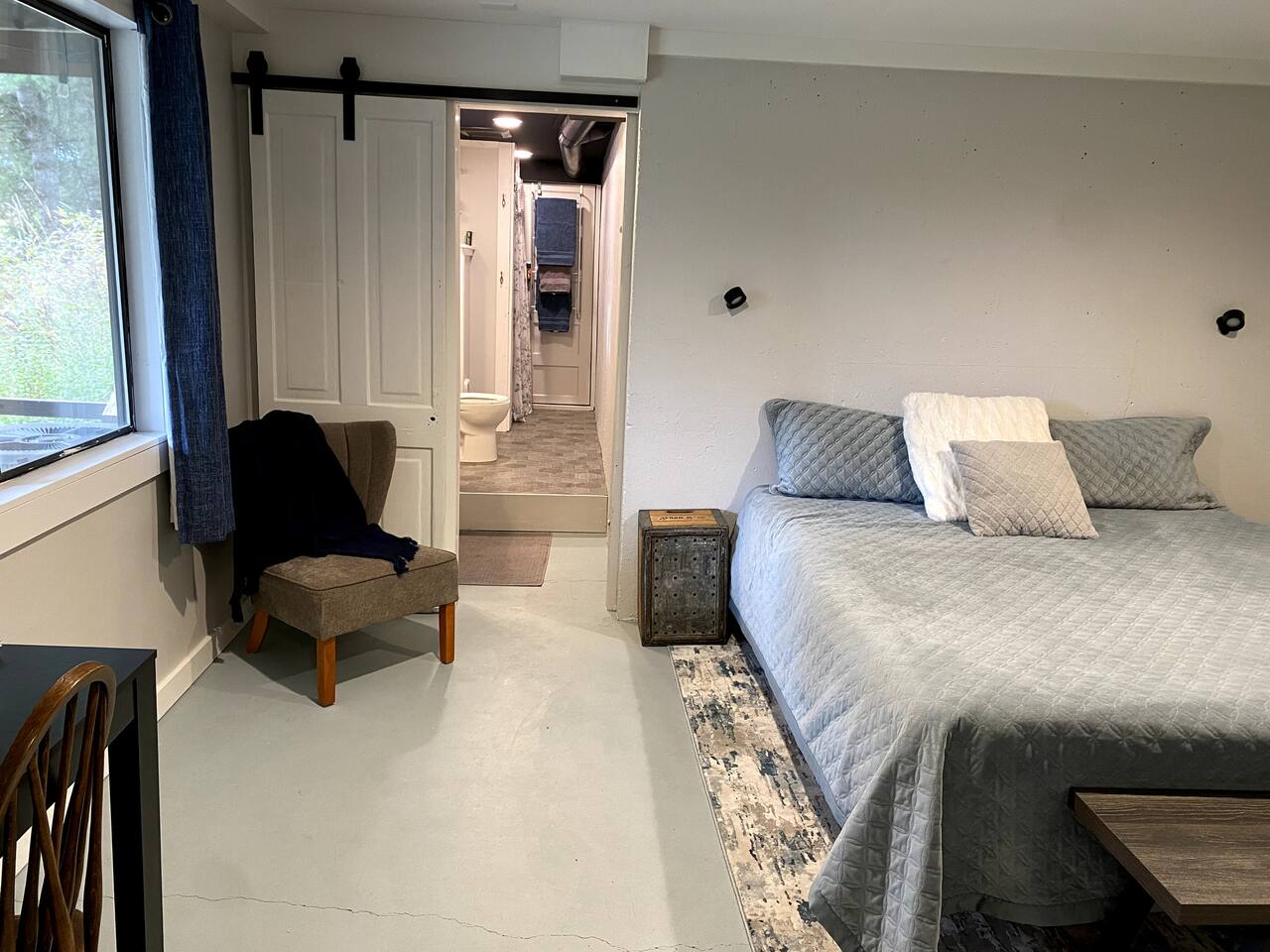
Insulation requirements
Habitable rooms typically need compliant insulation in walls, ceiling, and (where applicable) floor to meet the code’s thermal and durability provisions. Garages are often uninsulated or under-insulated. We design and specify upgrades so the converted space is comfortable and compliant.
Walls and ceiling
Walls and ceiling are usually upgraded to meet the relevant R-values and construction details. We consider existing linings, vapour control, and ventilation so performance and durability are met.
Floor
Slab-on-ground and suspended floors may need insulation and underfloor ventilation. We advise on what is typically required for your garage type and use.
Fire safety
When a garage becomes a habitable room (e.g. bedroom, rental, Airbnb), fire separation and means of escape often apply. The exact requirements depend on the layout, distance to boundaries, and whether the space is a separate dwelling or part of the same house. We help you understand what typically applies and design accordingly.
Fire separation
Walls and sometimes ceilings between the converted space and other areas (including the main house or garage area) may need to meet fire-resistance ratings. We specify what is normally required for your configuration.
Means of escape
Sleeping and residential uses typically need safe egress in a fire. We consider doors, windows, and travel distances so the design aligns with common council and code expectations.
Working with your consent
Insulation and fire safety are usually dealt with in your building consent. We provide the information and design input needed so your application is clear and buildable. For the consent process itself, see garage conversion consent; for broader code context, see garage conversion building code.
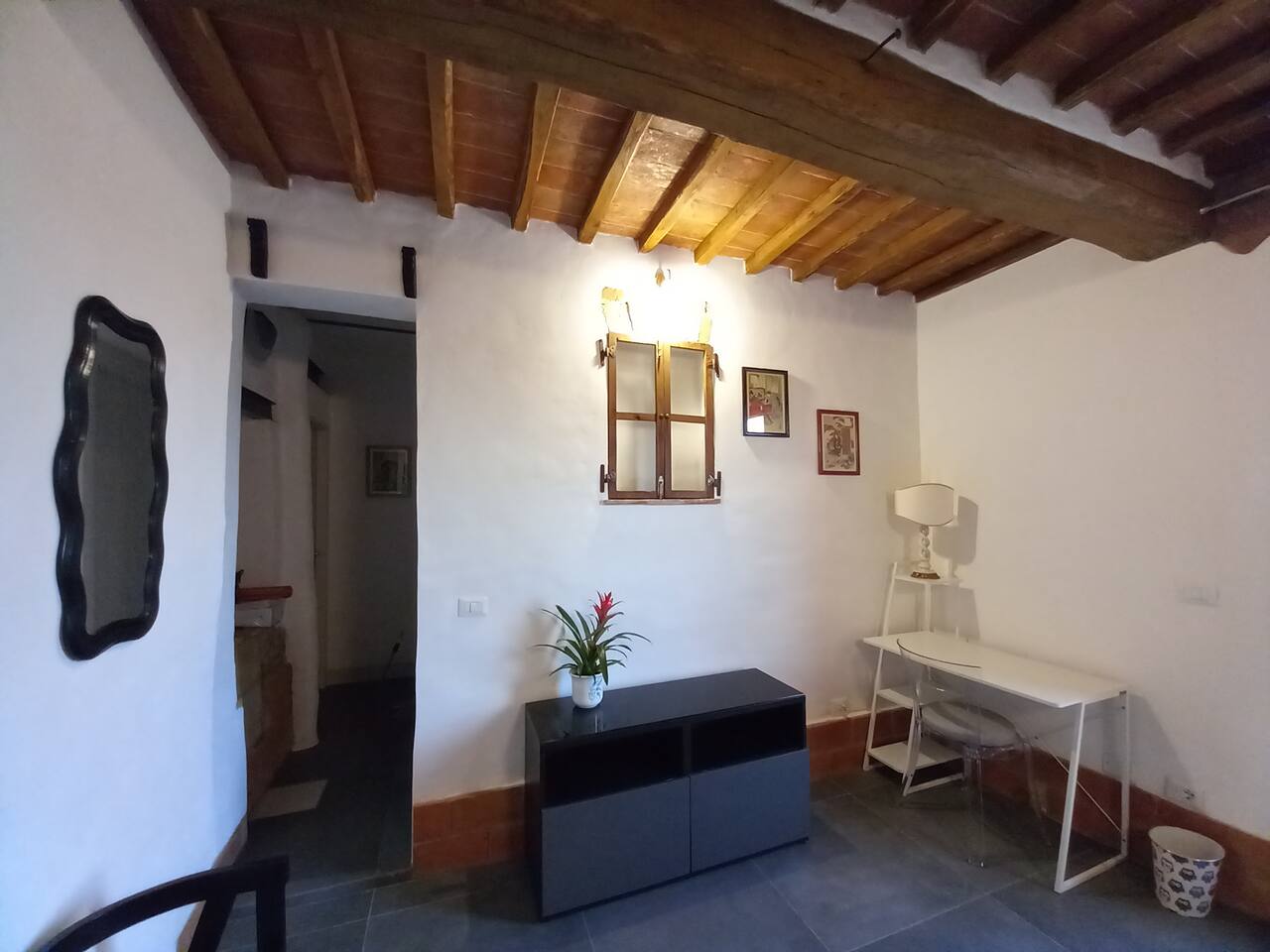
Not sure if your garage is suitable?
A feasibility assessment clarifies consent risk, likely cost drivers, and whether conversion makes sense for your property.
Request a feasibility assessment We review suitability, consent risk, and key cost drivers.Garage conversion insulation and fire safety, frequently asked questions
- What R-values are required for a converted garage?
- Required R-values depend on the climate zone and building element (walls, ceiling, floor). The Building Code sets minimums; we design to meet or exceed what is typically required for your region and use.
- Do I need fire-rated walls for a garage conversion?
- Fire-rated construction is often required when the converted space is used for sleeping or as a separate dwelling, or when it is close to boundaries. We assess your layout and use and advise on what is typically needed.
- Can I use the existing garage ceiling insulation?
- Existing insulation may be insufficient for habitable use or may need to be supplemented for code compliance. We assess what you have and specify upgrades where required.
- What fire safety is needed for a garage Airbnb conversion?
- Short-term accommodation is typically treated as habitable and often requires appropriate fire separation and means of escape. Requirements vary with layout and council; we advise on what is commonly expected so you can plan accordingly.