
Garage conversion vs garden room
Deciding between converting your garage or building a garden room? Both options can create additional space, but they have different costs, consent requirements, and habitability standards. This page explains the key differences so you can decide what's right for your property.
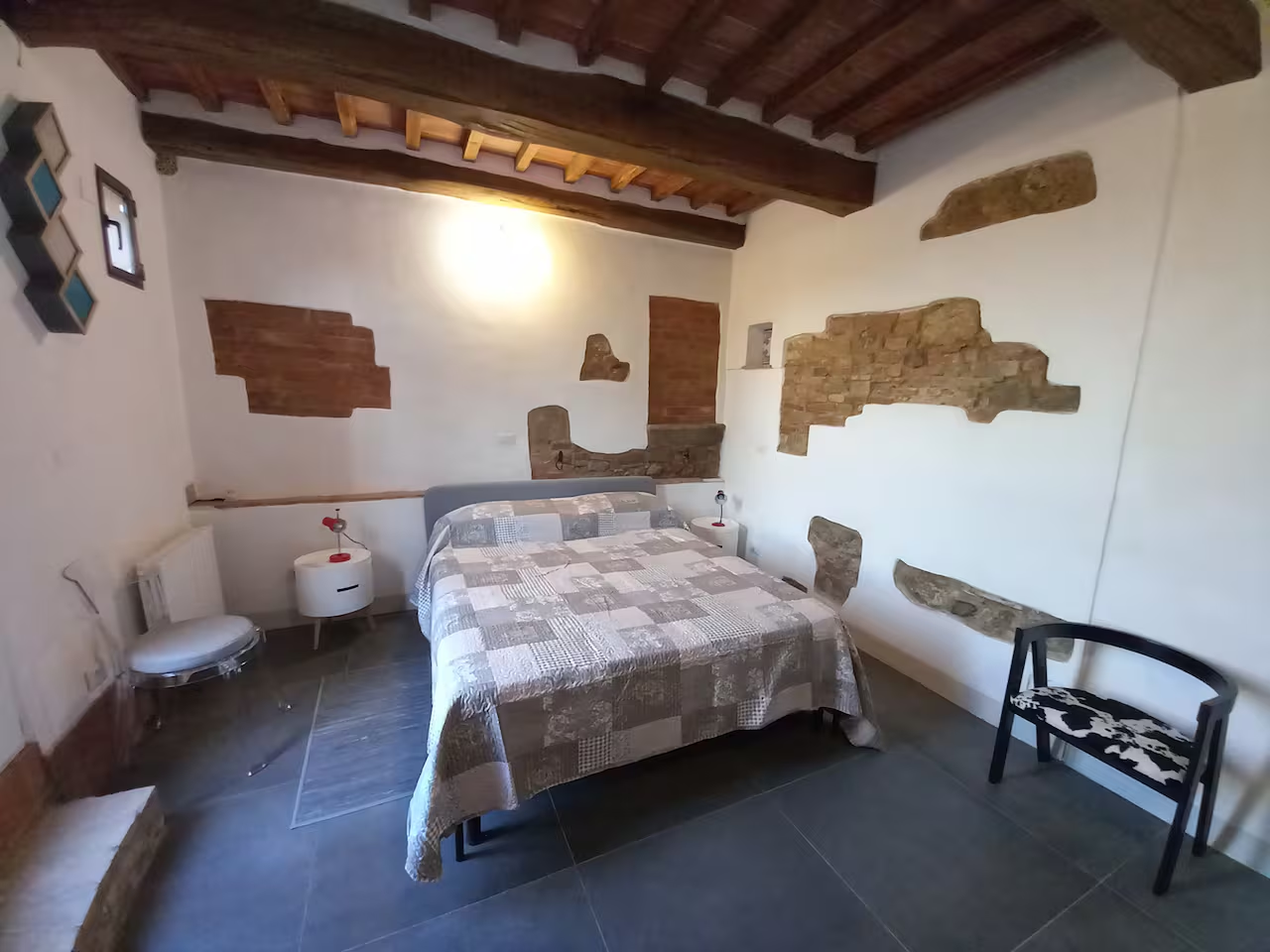
When a garage conversion may make sense
Converting your existing garage may be a good option if:
- You need habitable space, bedroom, rental, Airbnb, home office
- You have an existing garage, the structure is already there
- You want to preserve garden space, no need to build in the garden
- You need full building code compliance, for sleeping or rental use
- Cost is a consideration, conversions may be more cost-effective than new construction
We assess your garage and advise on whether conversion is suitable for your situation. See our garage conversions Canterbury page for more detail.
When a garden room may make more sense
Building a garden room may be a better option if:
- You need the garage for parking, you still need covered parking
- You want a separate space, away from the main house
- You don't need full habitable standards, office, studio, or occasional use
- You have garden space, room to build without losing too much yard
- You want a specific location, you need the space in a particular part of your property
Every property is different; we assess on-site and advise on what typically applies.
Habitability and building code
This is a key difference between the two options:
Garage conversions
- Typically designed for habitable use (bedroom, rental, Airbnb)
- Must meet full building code requirements for habitable spaces
- Requires building consent for change of use
- Full insulation, fire safety, moisture management, ventilation
- Suitable for sleeping, long-term rental, short-term accommodation
See our garage conversion building code page for more detail.
Garden rooms
- May be designed as non-habitable or habitable, depending on use
- Non-habitable garden rooms may have different consent requirements
- Habitable garden rooms must meet full building code (like conversions)
- Consent requirements depend on size, use, and classification
- May be suitable for office, studio, or occasional use without full habitable standards
Garden rooms can be built to different standards depending on intended use; we assess your needs and advise on what typically applies.
Cost comparison
Both options have different cost drivers:
Garage conversion costs
- Building consent fees (typically $2,000–$5,000)
- Structural upgrades (if needed)
- Insulation, fire safety, moisture management
- Services (electrical, plumbing, heating)
- Typical range: $15,000–$100,000+ depending on scope
For more detail, see our garage conversion cost page.
Garden room costs
- Building consent fees (if required, may not be needed for small non-habitable structures)
- New foundation and structure
- Roof, walls, insulation (if habitable)
- Services (electrical, heating)
- Typical range: $20,000–$80,000+ depending on size and standards
Non-habitable garden rooms may be cheaper, but habitable garden rooms typically cost similar to conversions.
Consent and compliance
Both options may require consent, but the requirements differ:
Garage conversion consent
- Building consent required for change of use (garage to habitable)
- Must meet building code for habitable spaces
- Resource consent may be required depending on use and zone
See our garage conversion consent page for more detail.
Garden room consent
- Building consent may or may not be required, depending on size and use
- Small non-habitable structures may be exempt
- Habitable garden rooms require full building consent
- Resource consent may be required (setbacks, height, coverage)
Consent requirements vary; we assess your situation and advise on what typically applies.
Timeline comparison
Both options have different timelines:
Garage conversion timeline
- Assessment and design: 2–4 weeks
- Building consent: 4–8 weeks
- Construction: 4–12 weeks
- Total: typically 10–24 weeks
Existing structure may mean faster construction than new build.
Garden room timeline
- Design and consent (if required): 2–6 weeks
- Building consent (if required): 4–8 weeks
- Construction: 4–12 weeks
- Total: typically 10–26 weeks (or less if consent not required)
Non-habitable garden rooms may be faster if consent isn't required.
Use case considerations
The best option depends on your intended use:
Sleeping accommodation (bedroom, rental, Airbnb)
- Garage conversion: Typically better, existing structure, full habitable standards
- Garden room: Possible but requires full habitable standards (similar cost to conversion)
Home office or studio
- Garage conversion: Good option if garage is suitable
- Garden room: Good option if you want separate space and have garden room
Occasional use (guest space, hobby room)
- Garage conversion: May be overkill if you don't need full habitable standards
- Garden room: May be better, can be built to non-habitable standards (lower cost)
Which is right for you?
We start with a feasibility assessment to clarify:
- Whether your garage is suitable for conversion
- Cost drivers and realistic ranges for both options
- Consent requirements and timelines
- Which option makes more sense for your intended use
If conversion isn't the right move, we'll tell you. We build habitable, compliant spaces, not shortcuts.
Not sure if your garage is suitable?
A feasibility assessment clarifies consent risk, likely cost drivers, and whether conversion makes sense for your property.
Request a feasibility assessment We review suitability, consent risk, and key cost drivers.Garage conversion vs garden room, frequently asked questions
- Is a garage conversion better than a garden room?
- It depends on your needs. Garage conversions are typically better for habitable use (bedroom, rental, Airbnb) because the structure already exists. Garden rooms may be better if you need the garage for parking or want a separate space. We assess your situation and advise on what typically applies.
- Do I need consent for a garden room?
- It depends on size and use. Small non-habitable garden rooms may be exempt from building consent. Habitable garden rooms require full building consent. We assess your situation and advise on what typically applies.
- Can I use a garden room as a bedroom?
- Yes, but it must meet full building code requirements for habitable use (insulation, fire safety, moisture, ventilation). This typically requires building consent and similar costs to a garage conversion. We assess your situation and advise on what typically applies.
- Which is cheaper, conversion or garden room?
- It depends. Garage conversions may be cheaper because the structure exists. Non-habitable garden rooms may be cheaper than habitable conversions. Habitable garden rooms typically cost similar to conversions. We assess your situation and provide guidance on what typically applies.
- Can I convert my garage and build a garden room?
- Yes, if you have space and budget. Some properties may benefit from both, converting the garage for one use and building a garden room for another. We assess your situation and advise on what makes sense.
- How do I decide between conversion and garden room?
- We start with a feasibility assessment to clarify suitability, costs, consent, and timelines for both options. This helps you decide what's right for your property, budget, and intended use. See our our process page for more detail.
Related guides
- Garage conversions Canterbury, our main service area
- Garage conversion cost, cost drivers and what to expect
- Garage conversion consent, consent requirements
- Our process, how we work and assess options
- Garage conversion vs extension, another comparison