
Is my garage suitable for conversion?
Many garages are not suitable for conversion without significant structural work, consent complexity, or cost that outweighs benefit. This page explains key suitability factors so you can assess honestly whether conversion makes sense for your property.
Suitability depends on structure, compliance, and intended use.
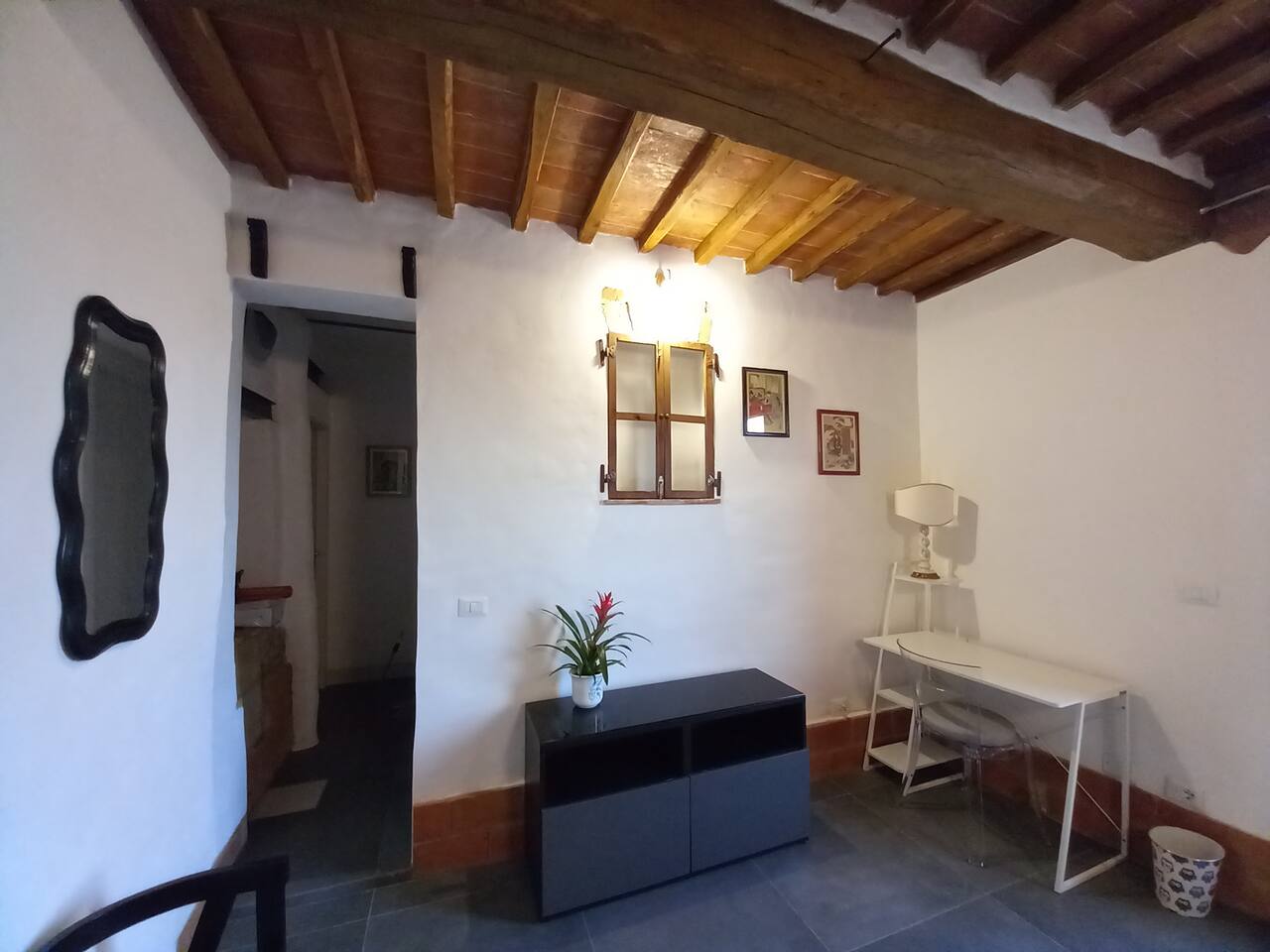
What "suitable" actually means
Suitability for garage conversion is about whether the space can meet habitable standards, building code requirements, and your intended use, not just whether it looks like it could be a room. A suitable garage conversion typically means:
- The structure can support habitable use (or can be upgraded to do so)
- Building code requirements can be met (insulation, fire safety, ventilation, moisture management)
- Consent pathways are clear and achievable
- The cost and effort align with the intended use and property value
Many garages require significant work to meet these standards. We assess honestly and advise when conversion isn't the right move.
Key suitability factors
These factors typically determine whether a garage is suitable for conversion:
Ceiling height and headroom
Habitable spaces typically require minimum ceiling heights (often 2.1–2.4 metres depending on use and council interpretation). Very low ceilings may require structural work to raise the roof or lower the floor, which can significantly increase costs. We assess your ceiling height and advise on what typically applies for your intended use.
Floor type (slab vs suspended)
Concrete slab floors are often more suitable for habitable use than suspended timber floors, which may require insulation, moisture barriers, and structural assessment. Suspended floors may need significant work to meet building code requirements for habitable spaces. We assess your floor type and advise on what's typically required.
Insulation and moisture risk
Garages are typically not insulated to habitable standards. Conversion usually requires wall, ceiling, and (where applicable) floor insulation to meet building code requirements. Moisture risk (from ground, walls, or roof) must be managed. We assess insulation needs and moisture risk and advise on what typically applies.
Fire separation and access
Attached garages may require fire-rated construction between the garage and main house, depending on use and council interpretation. Detached garages may have different requirements. Means of escape (doors, windows, travel distances) must meet building code requirements. We assess fire separation needs and advise on what typically applies.
Natural light and ventilation
Habitable spaces typically require natural light (windows) and ventilation to meet building code requirements. Garages often have limited windows or ventilation. Adding windows may require structural work and consent. We assess natural light and ventilation and advise on what typically applies.
Parking and planning considerations
Converting a garage may affect parking requirements under district plan rules. Some councils require replacement parking or may restrict conversion if parking is already limited. We assess parking and planning considerations and advise on what typically applies.
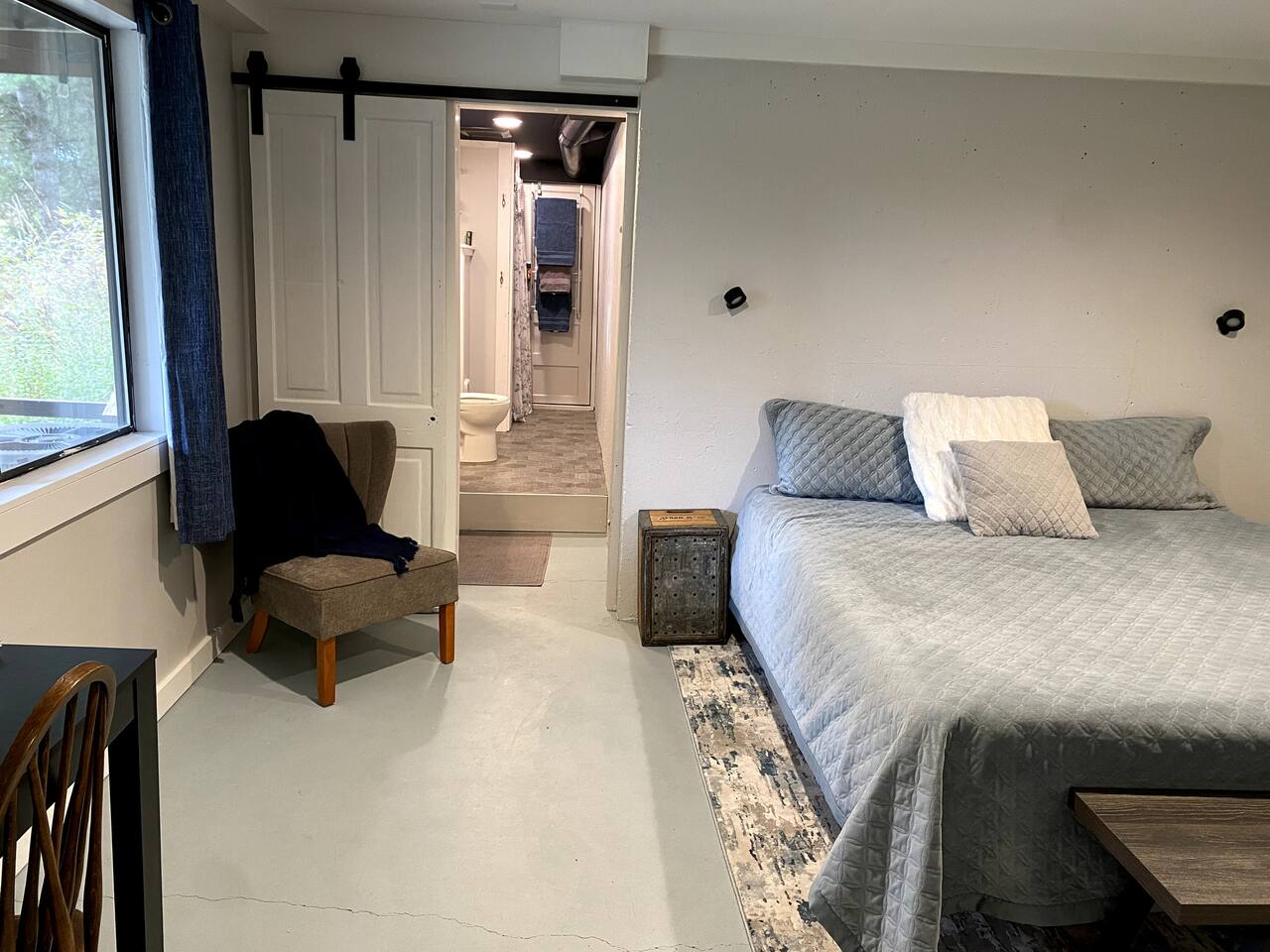
When a garage is usually not suitable
Some garages are typically not suitable for conversion, or the cost and effort outweigh the benefit:
- Very low ceiling heights: If raising the roof or lowering the floor is required, costs can be significant
- Major structural limitations: If the structure cannot support habitable use without major work, conversion may not be viable
- Planning or parking constraints: If district plan rules prevent conversion or require expensive parking solutions, conversion may not be feasible
- Cost outweighs benefit: If the cost of conversion exceeds the value it adds (or the income it generates), conversion may not make sense
- Consent complexity: If consent pathways are unclear or high-risk, conversion may not be advisable
We assess honestly and advise when conversion isn't the right move. We build habitable, compliant spaces, not shortcuts.
What suitability depends on
Suitability depends on several factors:
Intended use
Different uses have different requirements. Sleeping accommodation (bedroom, rental, Airbnb) typically has higher requirements than office use. We assess your intended use and advise on what typically applies.
Council interpretation
Different councils may interpret building code and district plan rules differently. What's acceptable in one area may not be in another. We assess your council's typical approach and advise on consent risk.
Existing construction era
Older garages may have different structural characteristics, insulation, or compliance requirements than newer ones. We assess your garage's age and construction and advise on what typically applies.
For more detail on consent requirements, see our garage conversion consent page. For cost considerations, see our garage conversion cost page. For our process, see our our process page.
Not sure if your garage is suitable?
A feasibility assessment clarifies consent risk, likely cost drivers, and whether conversion makes sense for your property.
Request a feasibility assessment We review suitability, consent risk, and key cost drivers.Is my garage suitable for conversion?, frequently asked questions
- How do I know if my garage is suitable for conversion?
- Suitability depends on structure, compliance, and intended use. Key factors include ceiling height, floor type, insulation needs, fire safety, natural light, ventilation, and planning considerations. We assess these factors and advise on what typically applies for your situation.
- What makes a garage unsuitable for conversion?
- Garages are typically not suitable if they have very low ceiling heights, major structural limitations, planning or parking constraints, or if the cost outweighs the benefit. We assess honestly and advise when conversion isn't the right move.
- Do I need a certain ceiling height?
- Habitable spaces typically require minimum ceiling heights (often 2.1–2.4 metres depending on use and council interpretation). Very low ceilings may require structural work, which can significantly increase costs. We assess your ceiling height and advise on what typically applies.
- Does floor type matter?
- Concrete slab floors are often more suitable than suspended timber floors, which may require insulation, moisture barriers, and structural assessment. We assess your floor type and advise on what's typically required.
- What about insulation and moisture?
- Garages are typically not insulated to habitable standards. Conversion usually requires wall, ceiling, and (where applicable) floor insulation. Moisture risk must be managed. We assess insulation needs and moisture risk and advise on what typically applies.
- Can I convert my garage if it's attached to my house?
- Attached garages may require fire-rated construction between the garage and main house, depending on use and council interpretation. We assess fire separation needs and advise on what typically applies.
- What if I don't have enough windows?
- Habitable spaces typically require natural light and ventilation. Adding windows may require structural work and consent. We assess natural light and ventilation and advise on what typically applies.
- How do I get a proper assessment?
- We offer feasibility assessments to clarify suitability, consent risk, and key cost drivers. We assess your garage on-site and provide honest advice on whether conversion makes sense for your situation. See our feasibility assessment page for more detail.
Related guides
- Garage conversions Canterbury, our main service area
- Garage conversion consent, consent requirements and pathways
- Garage conversion cost, cost drivers and what to expect
- Our process, how we assess suitability
- Garage conversion feasibility assessment, what a feasibility assessment involves